
“Preserving tradition. Embracing the future.”
Beth Zion Congregation is a Modern Orthodox Synagogue located in Côte Saint-Luc, Québec.



Sefardi Minyan November 27th - December 4th
-
Candle Lighting – 3:56 pm
Mincha, Kabbalat Shabbat and Maariv – 3:56 pm -
*Shabbat*
-
Shacharit 9:00 am
-
Mincha – 3:43 pm
-
Arvit – 4:53
-
Shabbat Ends – 5:03 pm
-
Sunday – Shacharit 8:00 am
-
Monday – Friday – 6:30 am
Shabbat - Friday, November 27th
- Candle Lighting – 3:56 pm
- Mincha at 4:05 pm followed by Kabbalat Shabbat and Maariv
Saturday, November 28th
-
Shacharit – 9:00 am
- Mincha – 3:50 pm followed by Seuda Shlishit and Maariv
Topic for Seuda Shlishit
“Use of Chanukah Candles?” - Shabbat Ends – 5:03 pm
Ashkenaz Shacharit November 29th - December 4th
-
Sunday November 29th – 8:00 am
-
Monday – 6:15/ 8:00 am
-
Tuesday – 6:25 / 8:00 am
-
Weds. – 6:25 / 8:00 am
-
Thursday – 6:15 / 8:00 am
-
Friday – December 4th
6:25 /8:00 am
Ashkenaz Mincha and Maariv
Sunday – Thursday
4:00 pm
Please note that Group Learning is 20 minutes prior to the first Minyan from Monday – Friday
Friday, December 4th
- Candle Lighting – 3:53 pm Chanukah I
- Mincha – 4:00 pm
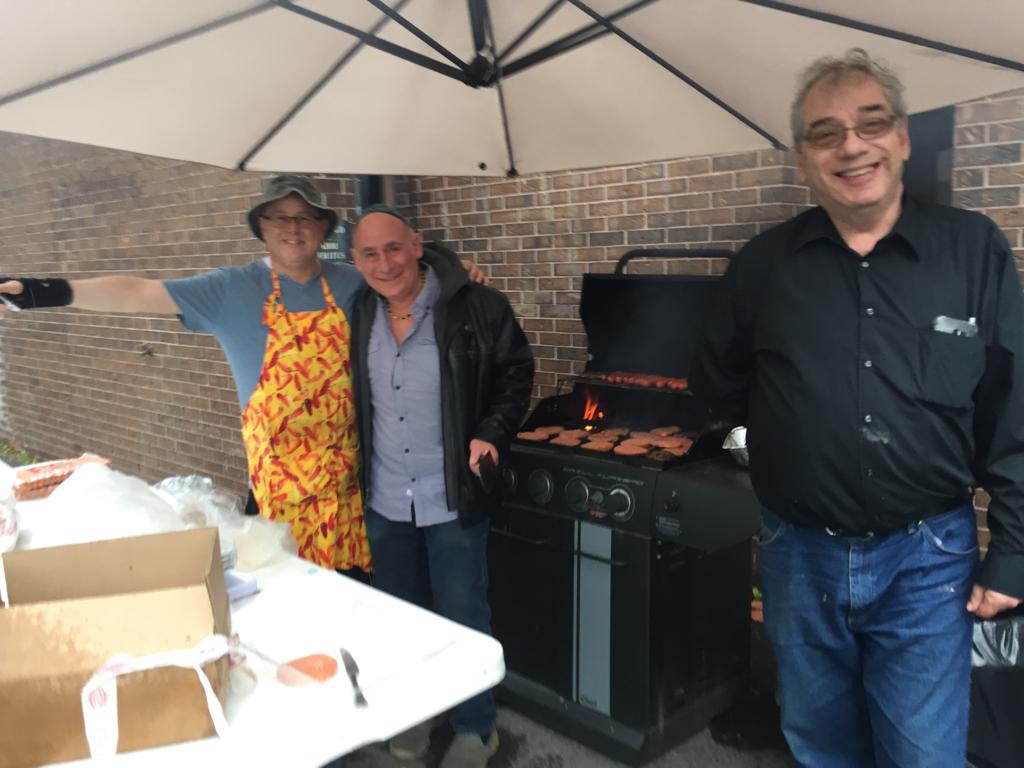
A Few Past Events in the Life of Beth Zion…


Latest Divrei Torah
Parshat Behar – Bechukotai 5778
And Hashem spoke to Moshe at Mount Sinai saying: Speak to Bnai Yisrael and say to them, “when you come to the land that I am giving to you, you should rest the land. It is a Sabbath to Hashem.” (VaYikra 25:1-2) Rabbi Bernie Fox explains: 'Our parasha discusses...
Parshat Achrei Mot – Kedoshim
After the death of Aaron's sons..." The Torah tells us that after undergoing this personal tragedy, Aaron responded with silence. He did not choose to blame God, Moses, or himself, or to descend into depression. Rather got up and tried to fulfill his mission in life....
Parshat Tazria – Metzora 5778
The central theme of Parshat Tazria-Metzora is the unique case of tzara’at (usually translated as leprosy) in its various manifestations. Some tzara’at appears in human flesh. Some affects a person’s hair or facial hair, and other types can appear in other parts of...